
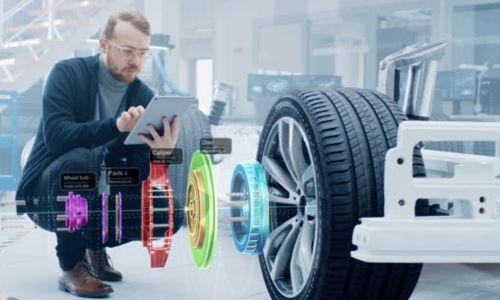
Regenerative brakes are a vital component of modern hybrid and electric vehicles. These systems improve efficiency and contribute to sustainability by converting kinetic energy back into stored energy. In this article, we will explore what regenerative brakes are, how they work, their benefits, and their role in the automotive industry. What Are Regenerative Brakes? Regenerative brakes are a braking system that recovers energy that would otherwise be lost as heat during braking. Instead of relying solely on friction to slow down a vehicle, regenerative braking systems use an electric motor to generate electricity. This electricity is then stored in the vehicle’s battery for later use. The concept behind regenerative brakes is simple yet ingenious: capture and reuse energy to improve efficiency and reduce wear on traditional braking components. How Do Regenerative Brakes Work? The working principle of regenerative brakes is based on converting kinetic energy into electrical energy. Here’s a step-by-step explanation of how this process unfolds: Deceleration: When the driver applies the brakes, the vehicle begins to slow down. Energy Conversion: The electric motor, which also functions as a generator, converts the vehicle’s kinetic energy into electrical energy. Energy Storage: This electrical energy is then directed back into the vehicle’s battery, which is stored for future use. Reduced Friction Braking: Because the electric motor provides some of the braking force, the demand for traditional friction brakes is reduced, leading to less wear and tear. Benefits of Regenerative Brakes Regenerative brakes offer numerous advantages, making them popular in modern vehicles. Here are some key benefits: Improved Fuel Efficiency By capturing and reusing energy that would otherwise be lost, regenerative braking systems can significantly enhance a vehicle’s fuel efficiency. This is particularly beneficial for hybrid and electric cars, where maximizing stored electrical energy is crucial. Reduced Emissions Since regenerative braking reduces the reliance on the internal combustion engine, it can help lower a vehicle’s overall emissions. This contributes to a cleaner environment and supports efforts to combat climate change. Extended Brake Life Traditional friction brakes suffer from wear and tear due to constant use. Regenerative brakes alleviate some of this stress, resulting in longer-lasting brake components and reduced maintenance costs. Enhanced Driving Experience Drivers of vehicles equipped with regenerative braking systems often report a smoother and more controlled braking experience. The seamless integration of regenerative and friction braking ensures optimal stopping power and vehicle stability. Types of Regenerative Braking Systems There are different types of regenerative braking systems, each with its unique characteristics and applications. The two main types are: Series Regenerative Braking The regenerative braking mechanism operates in series regenerative braking systems with the vehicle’s friction brakes. When the driver applies the brakes, the system determines how much regenerative braking can be used based on factors such as battery state of charge and vehicle speed. The friction brakes then provide the remaining braking force needed to bring the vehicle to a stop. Parallel Regenerative Brakes On the other hand, parallel regenerative braking systems can operate independently of the friction brakes. These systems allow for a more flexible distribution of braking force between regenerative and friction braking. In some cases, parallel systems can apply regenerative braking exclusively without engaging the friction brakes. Applications of Regenerative Brakes Regenerative brakes are most commonly found in hybrid and electric vehicles, but their applications extend beyond these categories. They are also used in various other types of vehicles and machinery, including: Electric Bicycles and Scooters Electric bicycles and scooters often feature regenerative braking systems to enhance battery life and efficiency. By recapturing energy during braking, these systems help extend the range of these electric vehicles. Trains and Trams Public transportation systems, such as trains and trams, utilize regenerative braking to conserve energy and reduce operational costs. The captured energy can power onboard systems or be fed into the grid. Industrial Machinery Certain types of industrial machinery, such as cranes and elevators, employ regenerative braking to improve efficiency and reduce energy consumption. In these applications, the energy recovered during braking can power other processes or be stored for later use. Challenges and Limitations of Regenerative Brakes While regenerative braking systems offer numerous benefits, they also present challenges and limitations that must be addressed. Energy Recovery Efficiency Energy recovery efficiency in regenerative braking systems is not always 100%. Factors such as vehicle speed, battery state of charge, and braking intensity can affect how much energy is recaptured. Engineers continually work on improving these systems to maximize energy recovery. Battery Limitations The effectiveness of regenerative braking is closely tied to the vehicle’s battery capacity and health. If the battery is fully charged or has degraded over time, the ability to store additional energy becomes limited. Proper battery management and maintenance are essential for optimal regenerative braking performance. Integration with Traditional Braking Systems Seamlessly integrating regenerative braking with traditional friction brakes can be challenging. Ensuring a smooth transition between the two systems is crucial for maintaining vehicle stability and driver confidence. Advanced control algorithms and system calibration are necessary to achieve this integration. Future of Regenerative Braking The future of regenerative braking looks promising, with ongoing technological advancements and increasing adoption in various sectors. Some key trends and developments to watch for include: Enhanced Energy Recovery Continued research and development efforts aim to improve energy recovery efficiency in regenerative braking systems. This includes optimizing motor and generator designs and developing more sophisticated control strategies. Integration with Autonomous Vehicles As autonomous vehicles become more prevalent, regenerative braking systems will play a critical role in their operation. Autonomous cars require precise control of braking forces to ensure safety and efficiency, making regenerative braking an ideal solution. Expansion to Conventional Vehicles While currently more common in hybrid and electric vehicles, regenerative braking technology may eventually be integrated into conventional internal combustion engine vehicles. This could lead to broader energy savings and emission reductions across the automotive industry. Global Automotive Regenerative Braking System market size will be USD 22.32 Billion by 2030. Overview of Guide to Regenerative Brakes Regenerative brakes represent